Back Pain Treatment in Bangalore:
The Complete Non-Surgical Guide
Back pain in Bangalore can be treated effectively without surgery or painkillers. At CMRA in AECS Layout, we identify the true root cause of your pain and fix it through a non-drug, non-invasive, personalised approach. Most patients feel relief within the first few sessions.

Back pain is treatable without surgery. Most cases, including chronic and recurring pain, respond well to root-cause physiotherapy and do not require surgery or long-term medication.
The cause must be found first. Physical imbalances, posture, nutrition, lifestyle, and emotional stress all contribute to back pain. Treating only the location of pain is why most treatments fail.
Painkillers mask symptoms, not causes. This is why back pain returns when medication stops. Lasting relief requires correcting the underlying imbalance.
CMRA uses no drugs, machines, or standard routines. Every plan at CMRA's back pain clinic is built around the individual root cause of your pain.
First visit assessment is ₹799. Book a complete pain, allergy and emotional imbalance checkup at our AECS Layout clinic near Whitefield and Brookefield.
What Is Back Pain and Why Is It So Common in Bangalore?
Back pain is one of the most common health problems in Bangalore. It affects IT professionals in Whitefield who sit for 10 hours a day, homemakers, teachers, and retired seniors across AECS Layout and Brookefield alike. The World Health Organization estimates 619 million people worldwide suffer from low back pain making it the leading cause of disability globally.
In India, studies indicate nearly 60% of working adults will experience back pain at some point in their career, with rates significantly higher in cities with large IT and corporate sectors. Most people manage it with painkillers or rest. The pain goes away for a few weeks and then returns. This cycle repeats because the actual cause was never addressed.
At CMRA, we follow a single principle: Find the problem. Then fix it. We look at every factor contributing to your back pain: posture, muscle tension, nutrition, lifestyle, and emotional stress. We treat all of them together.
We do not use standard routines, machines, or medication. Every treatment plan is built around the individual root cause of your specific back pain. No two cases are treated the same way.
Back Pain in Bangalore: The Scale of the Problem
Stop Managing Pain.
Start Fixing It.
Book your first visit comprehensive assessment for just ₹799. We will identify the root cause of your back pain and give you a clear, honest treatment plan. No pressure. No standard routines.
Book an Appointment Get DirectionsCMRA · AECS Layout, Bengaluru 560037 · Mon–Sat 8am–2pm & 5pm–9pm
What Are the Most Common Types of Back Pain?
Back pain is not a single condition. It is a symptom with many possible causes and locations. Identifying which type you have is the first step toward effective treatment.
Lower Back Pain (Lumbar Pain)
The most common type. It affects the lumbar spine between the ribcage and hips. Typically caused by muscle strain, disc problems, or poor posture. Very common among IT professionals in Whitefield who sit for long hours. See CMRA's dedicated back pain service for more details.
Sciatica
Pain that travels from the lower back through the buttocks and down one or both legs. Caused by compression of the sciatic nerve. Physiotherapy is the first-line recommended treatment. Learn how CMRA treats sciatica without surgery.
Upper Back Pain (Thoracic Pain)
Pain between the shoulder blades and the lower neck. Often linked to poor posture and desk work. Frequently connected to neck stiffness and cervical problems.
Chronic Back Pain
Back pain lasting more than 12 weeks. Usually the result of unresolved acute pain or conditions like disc degeneration. Requires a structured root-cause approach rather than repeated symptom management.
Pregnancy-Related Back Pain
Common in the second and third trimesters due to postural changes and added lumbar load. Drug-free physiotherapy is safe and effective. CMRA treats pregnancy-related musculoskeletal pain with gentle, non-invasive methods.

What Actually Causes Back Pain? Why Most Treatments Fail
Most back pain treatments fail because they focus on the location of pain, not the reason it exists. Pain is a signal from your body. It appears at a weak or stressed point, but the actual problem is often elsewhere. Here are the most common root causes identified at CMRA:
-
Muscle imbalances and abnormal tension: When some muscles are overworked and others are too weak, the spine carries uneven load. This is the most common mechanical cause of lower back pain.
-
Poor posture from prolonged sitting: Sitting 6 to 10 hours a day is one of the biggest drivers of back pain among Bangalore's IT workforce. Forward-head posture and rounded shoulders create tension that builds down the spine.
-
Disc problems: Bulging or herniated discs in the lumbar spine can press on nerves, causing localised or radiating pain, numbness, or weakness.
-
Weak core muscles: The core supports the lower back. When core muscles are weak or not activating correctly, the lower back carries excess load with every movement.
-
Nutritional deficiencies: Deficiencies in Vitamin D, magnesium, and B12 are very common in Bangalore and directly affect muscle function, nerve health, and bone density. These are rarely investigated in standard pain treatment.
-
Emotional stress and chronic tension: Unresolved emotional patterns keep the nervous system in a state of sustained muscle tension, especially in the back, neck, and shoulders. Our emotional resetting programme addresses this directly.
-
Old injuries not fully rehabilitated: A sports injury or past strain that was not properly healed often creates bad movement habits that lead to chronic pain years later. See our sports injury rehabilitation service.
Treating only the painful area misses the actual cause. This is why back pain returns after massage, painkillers, or short physiotherapy courses that use standard routines. Lasting relief requires identifying and correcting every contributing factor.
7 Warning Signs Your Back Pain Needs Immediate Attention
Most back pain is mechanical and responds well to physiotherapy. But some signs indicate the cause needs to be identified promptly before treatment begins.
These symptoms do not necessarily mean surgery. They mean the cause needs accurate identification before anything else.
- Pain that radiates down one or both legs. A classic sign of sciatica or nerve compression. The pain may feel sharp, burning, or electric.
- Numbness or tingling in the legs, feet, or groin. This indicates nerve involvement. Should be assessed and not left untreated.
- Back pain that wakes you at night. Nighttime pain that is not position-dependent can indicate inflammatory conditions or systemic causes.
- Pain that does not improve after 4 to 6 weeks. Persistent pain that does not respond to rest suggests the root cause needs professional identification.
- Loss of bladder or bowel control. This is a rare but serious symptom requiring urgent evaluation.
- Back pain following a fall or injury. Always have post-injury back pain assessed even if it seems minor at first.
- Back pain combined with unexplained weight loss or fever. These combinations require medical evaluation to rule out systemic causes.
If any of these symptoms apply to you, contact CMRA for an assessment before beginning self-treatment.
Speak With a Back Pain Specialist Today
Not sure what type of back pain you have, or whether it is serious? Our specialist will assess your symptoms, identify the root cause, and explain your options. No jargon. No pressure.
Speak With a Pain SpecialistMon–Sat 8am–2pm & 5pm–9pm | Sun 8am–2pm | +91 80420 42385
Physiotherapy vs Painkillers vs Surgery: Which Is Right for Back Pain?
When back pain strikes, most people reach for a painkiller first. Others worry about surgery. Here is a factual comparison of all three approaches.
| Factor | Painkillers | Surgery | Root-Cause Physio (CMRA) |
|---|---|---|---|
| Treats the root cause? | ✗ No: masks the pain signal only | Partially: fixes structural issues but not muscle or lifestyle factors | ✓ Yes: finds and corrects all contributing causes |
| Risk of side effects? | ✗ High: gut, kidney, liver, dependency | ✗ High: infection, nerve damage, failed surgery syndrome | ✓ None: non-invasive and drug-free |
| Addresses posture and lifestyle? | ✗ No | ✗ No | ✓ Yes: central part of every treatment plan |
| Long-term relief? | ✗ Rarely: pain returns when medication stops | Variable: back pain can return without rehab | ✓ Yes: lasting relief through root-cause correction |
| Addresses emotional/stress factors? | ✗ No | ✗ No | ✓ Yes: NAET & NLP emotion correction included |
| Suitable for most back pain cases? | Short-term emergency relief only | ✗ No: appropriate for a small minority | ✓ Yes: effective for the majority of cases |
Clinical guidelines from NICE (UK) and the American College of Physicians list non-invasive approaches including physiotherapy as the recommended first-line treatment for most acute and chronic back pain. Surgery should only be considered when conservative methods have been thoroughly exhausted and specific structural indications exist.
How Does CMRA Treat Back Pain Without Drugs or Surgery?
CMRA uses a three-phase approach that addresses the root cause of back pain, not just the symptoms. No standard routines. No machines. No medication.
Identify the Root Cause
We assess physical, nutritional, emotional, and lifestyle factors to understand exactly why your back pain exists and what is keeping it going.
Normalise Muscle Function
We reduce abnormal tension, release trigger points, correct imbalances, and restore healthy muscle coordination for natural, pain-free movement.
Correct and Stabilise
Personalised correction exercises, stretching, and strengthening build a stable, supported spine with long-term resilience against re-injury.
What Specific Techniques Are Used at CMRA?
-
Trigger Point Therapy: Targeted release of muscle knots and referred pain patterns in the back. Learn about our trigger point therapy service.
-
Postural Correction: Hands-on assessment and correction of patterns that load the spine unevenly.
-
Muscle Retraining: Rebuilding correct muscle activation patterns to restore healthy movement and reduce compensation habits.
-
NAET-Based Allergy and Sensitivity Correction: Unresolved nutritional sensitivities and food-based inflammation can contribute to back pain. NAET identifies and clears these systematically.
-
NLP-Based Emotional Correction: Chronic stress keeps the nervous system in tension. Our emotional resetting programme addresses this without medication or personal disclosure.
-
Fusion Therapy: Our combined approach integrates energy alignment, physical correction, and lifestyle modification into a single, coherent plan. Learn more about CMRA's fusion therapy.

Who Should Visit CMRA for Back Pain in Bangalore?
CMRA is the right choice if any of the following describe your situation:
-
Your back pain keeps returning after medication or standard physiotherapy
-
You sit at a desk for 6 or more hours daily and have developed lower back pain
-
You have been told surgery is an option but want to try conservative treatment first
-
You have back pain combined with stress, poor sleep, or emotional strain
-
You have sciatica, disc problems, or nerve-related back pain
-
You live or work in Whitefield, Brookefield, or AECS Layout and need a nearby pain specialist
Related Conditions We Treat at CMRA
| Condition | Description | Service Page |
|---|---|---|
| Lower Back Pain | Lumbar muscle strain, disc problems, postural pain | Back Pain Treatment |
| Sciatica | Nerve compression causing radiating leg pain | Sciatica Treatment |
| Neck + Back Pain | Combined spinal tension from posture or disc issues | Neck Pain Treatment |
| Sports-Related Back Injuries | Sprains, strains, and musculoskeletal trauma | Sports Injuries |
| Repetitive Strain Back Pain | Work-related overuse injury from sustained postures | RSI Treatment |
| Trigger Point Back Pain | Myofascial pain and referred pain patterns | Trigger Point Therapy |
| Pregnancy Back Pain | Lumbar and pelvic pain during pregnancy | Pregnancy Musculoskeletal Pain |
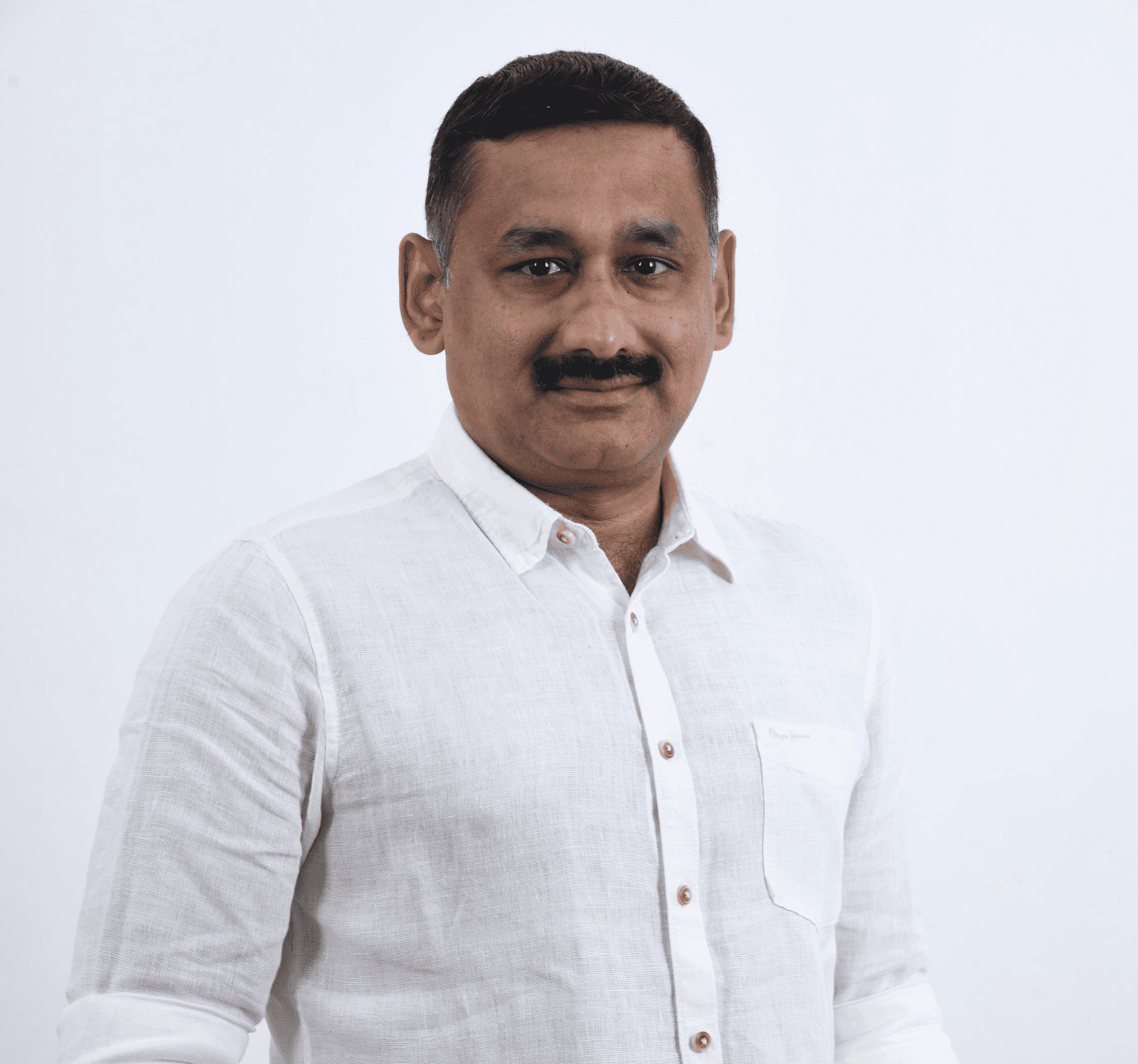
Mr. Jamline Scaria
Physiotherapist · NAET Practitioner · NLP Practitioner
With over 25 years of experience in non-drug pain care, Mr. Jamline Scaria has helped thousands of patients in Bangalore recover from back pain, sciatica, neck pain, and complex chronic pain, without surgery, injections, or medication.
His root-cause approach combines physiotherapy with nutritional assessment, lifestyle correction, and mind-body techniques to deliver results that standard treatments cannot. Trusted by patients from AECS Layout, Whitefield, Brookefield, and across Bangalore.
How to Prevent Back Pain From Returning After Treatment
Treatment gets you out of pain. Prevention keeps you out of pain. Here is what CMRA recommends based on the most common root causes in our Bangalore patient population.
For Desk Workers in Whitefield and Brookefield
-
Set your monitor at eye level and keep it at arm's length to prevent forward-head posture building up over time
-
Take a standing or walking break every 45 to 60 minutes. Even 2 minutes is enough to reset sustained muscle tension.
-
Avoid crossing your legs while seated. This creates pelvic imbalance that stresses the lower back over time.
Movement and Exercise
-
Walking 20 to 30 minutes daily is one of the most evidence-supported habits for preventing back pain recurrence
-
Build core strength gradually through supervised exercises. Generic online routines can aggravate specific conditions.
Nutrition and Recovery
-
Get your Vitamin D and magnesium levels checked. Both are directly linked to muscle function and pain sensitivity, and deficiency is common in Bangalore.
-
Stay hydrated. Even mild dehydration affects disc health between your vertebrae and slows muscle recovery.
Frequently Asked Questions About Back Pain Treatment in Bangalore
What is the best non-surgical back pain treatment in Bangalore?
The best non-surgical back pain treatment in Bangalore involves identifying the root cause through a physical assessment, then addressing it with targeted physiotherapy, muscle normalisation, postural correction, and lifestyle intervention. CMRA in AECS Layout uses a drug-free fusion approach covering physical, nutritional, and emotional factors for lasting relief.
How many physiotherapy sessions are needed for back pain relief?
Most patients at CMRA notice improvement within 3 to 5 sessions. The total depends on the root cause, severity, and how long the pain has been present. Acute cases may resolve faster; chronic or recurring pain needs a longer structured programme.
Is physiotherapy safe for severe back pain?
Yes. Physiotherapy is evidence-based and safe for most types of back pain including severe cases. At CMRA, every treatment is non-invasive, drug-free, and paced to the patient's comfort level. A full assessment is done before any treatment begins.
Why does my back pain keep returning even after treatment?
Recurring back pain usually means the root cause was never fully addressed. Common reasons include postural imbalances, weak core muscles, unresolved nerve compression, nutritional deficiencies, and chronic stress-related tension. CMRA identifies and corrects all these factors, not just the pain signal.
Can physiotherapy work instead of back surgery?
In most cases yes. Research shows that the majority of back pain cases, including herniated discs, respond well to structured non-surgical rehabilitation. Surgery is generally only recommended when conservative treatment has not worked after an appropriate period and when specific structural indications are present.
Where is CMRA located and what are the clinic hours?
CMRA is at 1342, 60 Feet Road, AECS Layout, D Block, Mahadevapura Post, Bengaluru 560037. Hours: Mon–Sat 8am–2pm and 5pm–9pm, Sunday 8am–2pm. Call +91 80420 42385.
Does CMRA treat back pain without painkillers?
Yes. CMRA uses a completely drug-free, non-invasive approach: physiotherapy, trigger point therapy, muscle normalisation, postural correction, NAET-based interventions, and lifestyle correction. No medicines. No machines. No standard routines.
Can stress cause back pain?
Yes. Chronic stress activates the nervous system and causes persistent muscle tension, particularly in the back, neck, and shoulders. This is very common among working professionals. At CMRA, emotional and stress factors are assessed and treated as part of every back pain plan via NAET and NLP methods.
Back Pain Is Not Something You Just Have to Live With
Back pain is one of the most widespread and undertreated conditions in Bangalore. Millions of people cycle through painkillers, rest, and repeat. They never get to the reason their back hurts.
Most back pain, including chronic cases, sciatica, and post-injury pain, can be resolved without surgery or long-term medication. What it requires is identifying the real cause and addressing it fully: physical, nutritional, postural, and emotional.
That is what CMRA has been doing for over 25 years. Our approach is honest, non-invasive, and built around you, not around standard protocols or drug prescriptions.
If you are in AECS Layout, Whitefield, Brookefield, or anywhere in Bangalore and you are ready to stop managing pain and start fixing it, book your first visit today.
Start Your Recovery Journey Today
Book your ₹799 first-visit assessment at CMRA. We will find the root cause of your back pain and give you a clear, personalised plan for lasting relief. Serving AECS Layout, Whitefield, Brookefield, and all of Bangalore.
Start Your Recovery JourneyCMRA · 1342, 60 Feet Rd, AECS Layout-D Block, Bengaluru 560037 · Get Directions