Knee Pain Treatment Without Surgery in Bangalore: Everything You Need to Know
Knee pain is the second most commonly reported pain condition in the world, and it is one of the most undertreated in Bangalore. Whether you are a teenager, a working professional, or a senior who has been told knee replacement is the only option, the majority of knee pain conditions can be resolved without surgery or long-term medication. At CMRA in AECS Layout, we identify and fix the root cause of your knee pain using a non-drug, non-invasive approach developed over 25 years. Most patients walk out of their first few sessions with significantly less pain.
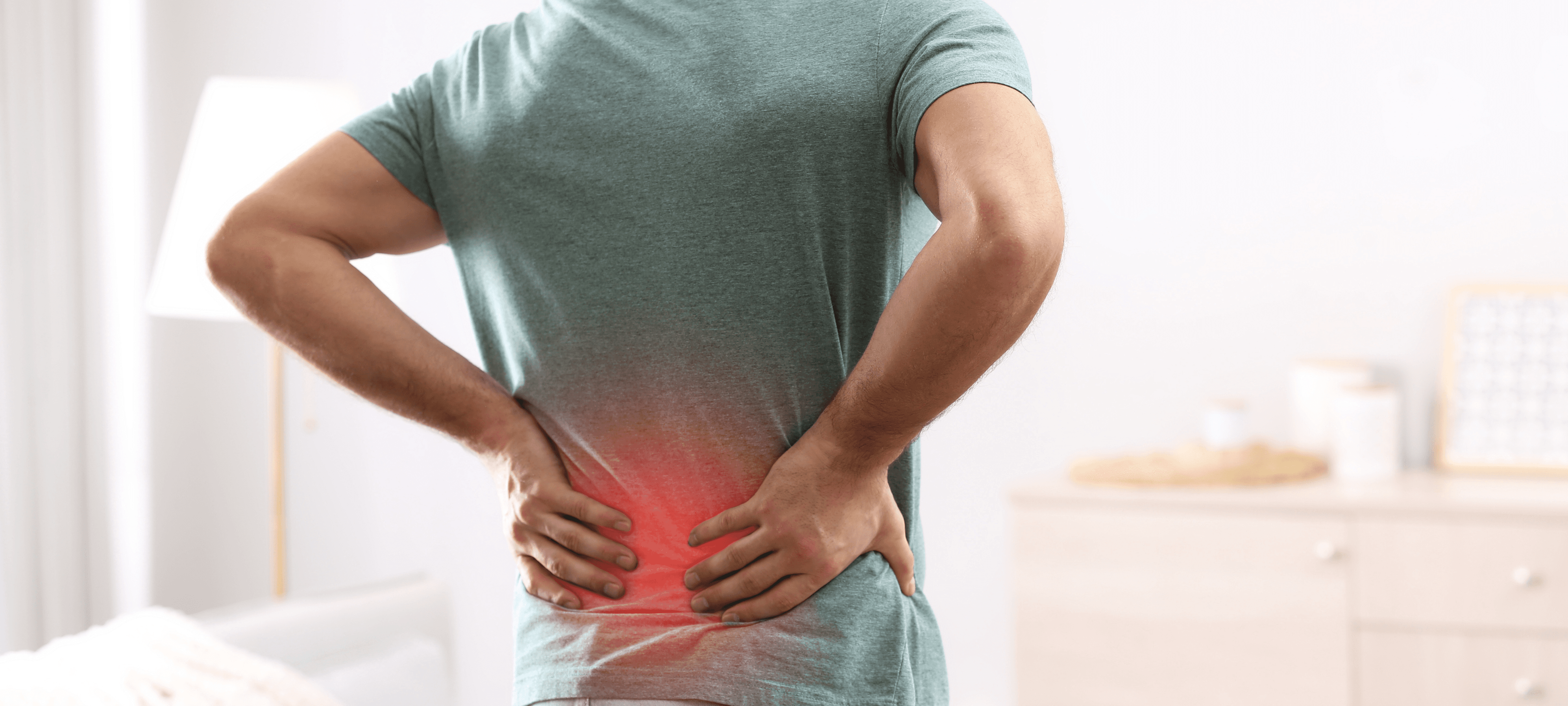
Most knee pain does not need surgery. Osteoarthritis, ligament strains, bursitis, tendinitis, and many cartilage conditions respond well to non-surgical root-cause treatment when approached correctly.
Knee pain is rarely only a knee problem. The hip, pelvis, lower back, ankle alignment, and nutritional factors all directly affect the knee joint. Treating only the knee is one of the most common reasons knee pain keeps returning.
Nutritional deficiencies are a hidden driver of knee pain. Vitamin D, calcium, and magnesium deficiencies directly affect cartilage health and joint inflammation. These are very common in Bangalore and rarely tested in standard treatment.
CMRA has helped many patients avoid knee replacement surgery. Using our root-cause fusion method, we treat the actual causes of joint degeneration, not just the symptoms, including cartilage and ligament support through NAET.
First visit assessment is Rs 799. One comprehensive session covering pain, allergy, and emotional imbalance factors at our AECS Layout clinic, close to Whitefield and Brookefield.
Can Knee Pain Really Be Treated Without Surgery in Bangalore?
Yes. The large majority of knee pain conditions, including mild to moderate osteoarthritis, ligament strains, meniscus irritation, bursitis, tendinitis, and patellofemoral pain syndrome, can be resolved or significantly improved without surgery. The key is identifying the full set of contributing factors, including muscular imbalances, postural alignment, nutritional deficiencies, and joint mechanics, and correcting all of them together. At CMRA in AECS Layout, we have helped thousands of patients in Bangalore recover from knee pain without surgery, injections, or medication, including patients who were specifically referred for knee replacement surgery.
Knee pain affects an estimated 46% of the adult population at some point in their lives, making it second only to back pain as the most common musculoskeletal complaint worldwide. In Bangalore, the combination of a sedentary IT workforce, a large and active elderly population, a growing community of recreational runners and gym-goers, and widespread nutritional deficiencies creates a very high prevalence of knee problems across all age groups.
Yet the standard treatment pathway, painkillers, cortisone injections, and eventual surgery, addresses none of the underlying causes. It manages symptoms at best and delays real recovery at worst. Like back pain, knee pain requires finding the actual cause before any treatment begins.
Knee Pain in Bangalore: Understanding the Scale
Knee Pain Limiting Your Life? Let Us Find the Cause.
Book your Rs 799 first-visit assessment at CMRA. We identify every contributing factor behind your knee pain and give you a clear, personalised, drug-free recovery plan. No pressure. No standard routines.
CMRA · AECS Layout, Bengaluru · Mon–Sat 8am–2pm and 5pm–9pm
Why Is the Knee So Vulnerable to Pain and Injury?
The knee is the largest and most complex joint in the human body. It bears the full weight of the body with every step and absorbs enormous forces during walking, climbing stairs, sitting, and sport. Understanding the structures involved helps explain why so many different things can cause knee pain.
The knee joint involves these key structures, any of which can become a source of pain:
-
Cartilage — The smooth covering on the ends of the femur and tibia that allows frictionless movement. Gradual wear produces osteoarthritis; acute damage produces sharp pain and swelling.
-
Meniscus — Two C-shaped fibrocartilage pads (medial and lateral) that act as shock absorbers and stabilisers. The medial meniscus is the most commonly injured in Bangalore's recreational athletes.
-
Ligaments — The ACL, PCL, MCL, and LCL provide stability. Ligament strains range from mild (Grade I) to complete tears (Grade III). Most Grade I and II strains respond well to physiotherapy without surgery.
-
Bursae — Fluid-filled sacs that reduce friction around the joint. Inflammation of the bursae (bursitis) produces pain and swelling, particularly in people who kneel frequently.
-
Tendons and surrounding muscles — The quadriceps and hamstrings control knee movement and absorb load. Imbalances, weakness, or trigger points in these muscles are a primary cause of knee pain that has nothing to do with the joint itself.
The knee joint does not act in isolation. Its alignment and load distribution are directly controlled by the hip muscles above and the ankle mechanics below. Weakness in the gluteal muscles, tightness in the IT band, and flat feet or ankle pronation all cause abnormal forces to pass through the knee with every step. CMRA's assessment evaluates the entire chain, not just the knee in isolation.
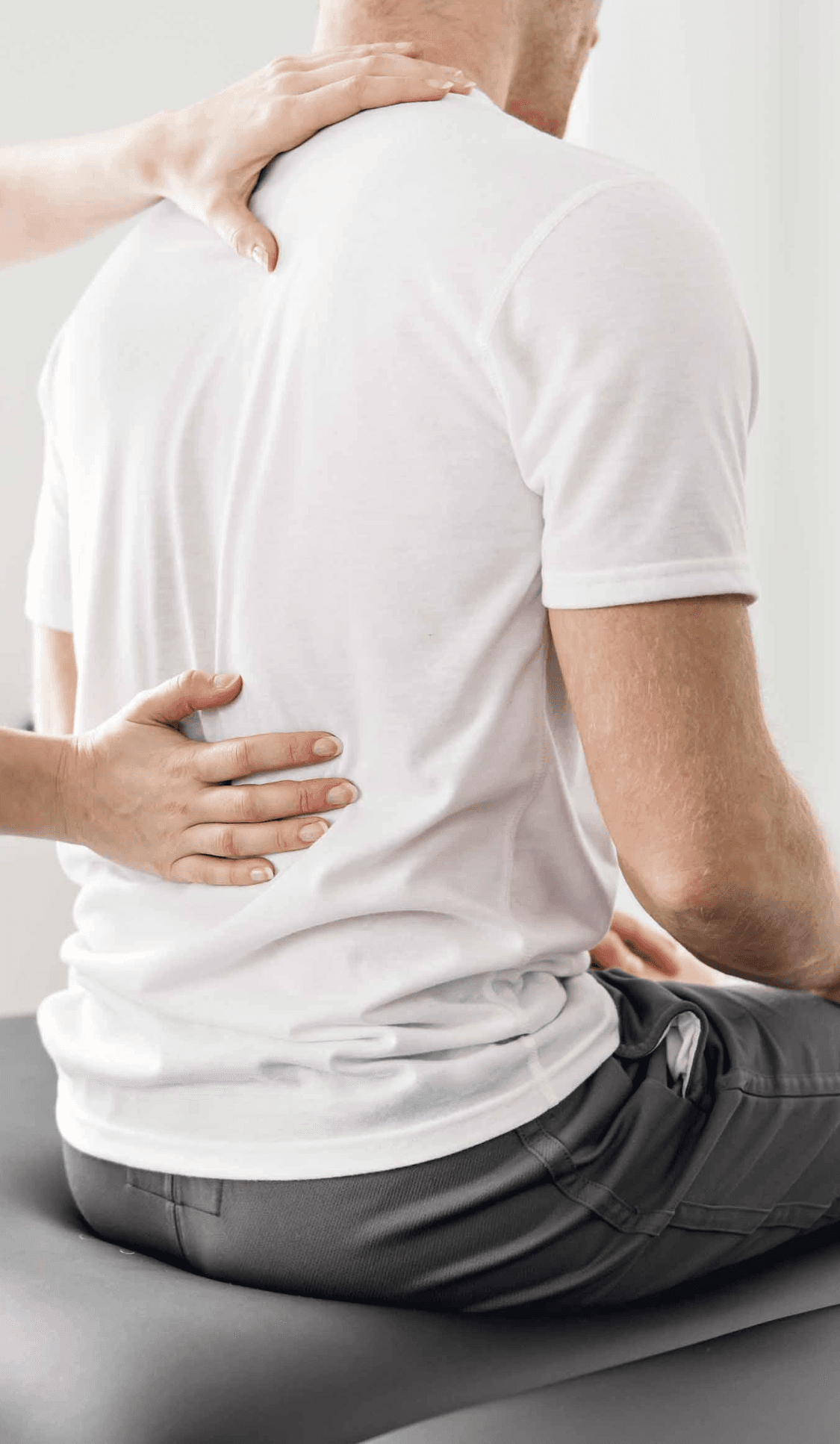
What Are the Most Common Causes of Knee Pain in Bangalore?
Knee pain in Bangalore's population spans several distinct causes, each requiring a different treatment approach. These are the most common patterns seen at CMRA over 25 years of practice.
1. Osteoarthritis (Wear and Tear Arthritis)
The most common cause of knee pain in people aged 45 and above. The cartilage lining the joint gradually wears thin, reducing cushioning and causing bone-on-bone friction. Contrary to widespread belief, osteoarthritis is not simply the result of ageing and it is not irreversible. Muscle strengthening, weight management, nutritional support for cartilage regeneration, and alignment correction all significantly slow progression and reduce pain. Many CMRA patients with moderate osteoarthritis have avoided recommended knee replacement surgery through structured conservative treatment.
2. Patellofemoral Pain Syndrome (Runner's Knee)
Pain around or behind the kneecap, caused by the kneecap tracking incorrectly along the femoral groove. Very common in Bangalore's growing community of runners, cyclists, and gym-goers, and also in young professionals who sit with their knees bent for long hours. Responds extremely well to quadriceps rebalancing, hip strengthening, and patellar mobilisation.
3. Meniscus Irritation or Tear
The medial meniscus is the most commonly injured structure in the knee. Acute tears usually follow a twisting or pivoting injury. Degenerative meniscus tears are common in people over 40 and often cause locking, clicking, or giving-way sensations. Many meniscus conditions, particularly degenerative tears, respond well to physiotherapy without requiring surgery.
4. IT Band Syndrome
Tightness in the iliotibial band, which runs from the hip to the outer knee, creates a sharp, burning lateral knee pain that is typically worse when descending stairs or running. Very common among Bangalore's growing runner population. Caused by hip weakness and poor running mechanics, not by anything structurally wrong with the knee itself.
5. Trigger Points in Quadriceps and Hamstrings
Myofascial trigger points in the vastus medialis, rectus femoris, and biceps femoris muscles produce referred pain directly into the knee that can mimic osteoarthritis, meniscus pain, or ligament pain. Many patients with knee pain who have normal MRI findings have this cause. CMRA's trigger point therapy is specifically effective for this often-missed pattern.
6. Nutritional Deficiency-Related Knee Pain
Vitamin D, calcium, magnesium, and Vitamin C deficiencies all directly affect cartilage health, ligament strength, and joint inflammation. These deficiencies are extremely common in Bangalore's largely indoor, desk-bound population and are a frequently missed contributing factor in both acute and chronic knee pain. CMRA addresses nutritional factors in every knee pain case using NAET-based assessment and correction.
7. Referred Pain From the Lower Back
Lumbar disc problems and trigger points in the gluteal and hip muscles frequently refer pain into the knee area. Many patients presenting with apparent knee pain actually have a lumbar or hip source as the primary driver. This is one reason why treating back pain sometimes resolves knee symptoms that were not responding to knee-focused treatment.
Knee Pain Treatments Compared: Which Approach Is Right for You?
Patients with knee pain are typically offered the same progression: painkillers, then cortisone injections, then surgery. Here is an evidence-based comparison of each approach versus root-cause physiotherapy.
| Treatment | What It Does | Long-Term Result | Risk |
|---|---|---|---|
| Painkillers / NSAIDs | Reduces pain signal and inflammation temporarily | Low — pain returns when medication stops; cartilage degradation continues | Gastric damage, kidney strain, increased cardiovascular risk with long-term use |
| Cortisone Injections | Reduces joint inflammation for temporary relief | Short-term — effect lasts weeks to months; evidence suggests repeated injections accelerate cartilage breakdown | Cartilage damage with repeated use, infection, ligament weakening |
| Knee Replacement Surgery | Replaces damaged joint surfaces with implants | Variable — short-term outcomes often good but implants last 15 to 20 years; revision surgery is complex | Infection, blood clots, nerve damage, implant failure, significant recovery period |
| Arthroscopic Surgery | Removes or repairs damaged tissue via keyhole surgery | Low for OA — multiple trials show outcomes no better than placebo for osteoarthritis-related knee pain | Surgical infection, anaesthesia risk, accelerated OA progression in some cases |
| Generic Physiotherapy | Builds general strength and mobility | Moderate — improves if exercises match the specific cause; can worsen pain if mismatched | Risk of aggravating certain conditions if not diagnosis-specific |
| Root-Cause Treatment at CMRA | Identifies and corrects the full set of causes: muscle imbalances, alignment, nutrition, cartilage support, emotional stress | High — lasting improvement by fixing what is actually causing the pain | None — fully non-invasive, drug-free, personalised |
A landmark study published in the New England Journal of Medicine demonstrated that arthroscopic surgery for knee osteoarthritis provided no greater benefit than sham surgery. Clinical guidelines from the American College of Physicians recommend structured exercise therapy and physiotherapy as the preferred first-line approach for knee osteoarthritis before any surgical intervention.
Been Told You Need Knee Surgery? Get a Second Opinion First.
Many patients who were advised surgery have recovered fully through root-cause physiotherapy at CMRA. Speak with our specialist to find out whether your knee condition can be treated without surgery. No pressure. No obligation.
Mon–Sat 8am–2pm and 5pm–9pm · Sun 8am–2pm · +91 80420 42385
How Does CMRA Treat Knee Pain Without Surgery or Drugs?
CMRA's knee pain treatment follows the same root-cause principle applied to all conditions at the clinic: identify every factor contributing to the problem, then correct all of them together. No machines. No medication. No standard exercise routines applied without accurate diagnosis.
Full Assessment
We assess joint mechanics, muscle imbalances from hip to ankle, trigger point patterns, nutritional status, movement habits, and contributing emotional or stress factors to build a complete picture of why your knee hurts.
Correct the Cause
Targeted muscle release, trigger point deactivation, joint mobilisation, alignment correction across the lower limb chain, and cartilage or ligament support through NAET therapy.
Stabilise and Prevent
Personalised strengthening, correction exercises, and lifestyle modification prevent recurrence even when the original cause was a degenerative condition like osteoarthritis.
Specific Techniques Used at CMRA for Knee Pain
-
Trigger Point Release for Quadriceps and Hamstrings — Deactivation of the muscle knots in the vastus medialis, rectus femoris, and hamstring group that generate referred pain into the knee and maintain abnormal joint loading. See our trigger point pain therapy service.
-
Lower Limb Alignment Correction — Addressing hip muscle weakness, IT band tightness, calf tension, and foot mechanics that are creating abnormal varus or valgus forces through the knee joint with every step.
-
Joint Mobilisation Techniques — Restoring the full range of normal accessory movements at the tibiofemoral and patellofemoral joints that restricted movement and pain have progressively reduced.
-
NAET for Cartilage and Ligament Support — NAET-based treatment applied to arthritic conditions, allergy-related arthritis, and for cartilage and ligament regeneration support. A distinguishing feature of CMRA's approach that standard physiotherapy does not offer.
-
Nutritional Deficiency Correction — Assessment and correction of Vitamin D, calcium, magnesium, and other nutritional deficiencies that are directly driving cartilage breakdown and joint inflammation in your specific case.
-
Sports Injury Rehabilitation — For knee injuries sustained in sport, our sports injury rehabilitation programme restores full function and returns patients to activity safely without surgery.
-
Emotional Stress Correction — Chronic stress accelerates inflammatory processes throughout the body and directly worsens joint pain. Our emotional resetting programme reduces the nervous system's inflammatory drive using NAET and NLP methods.
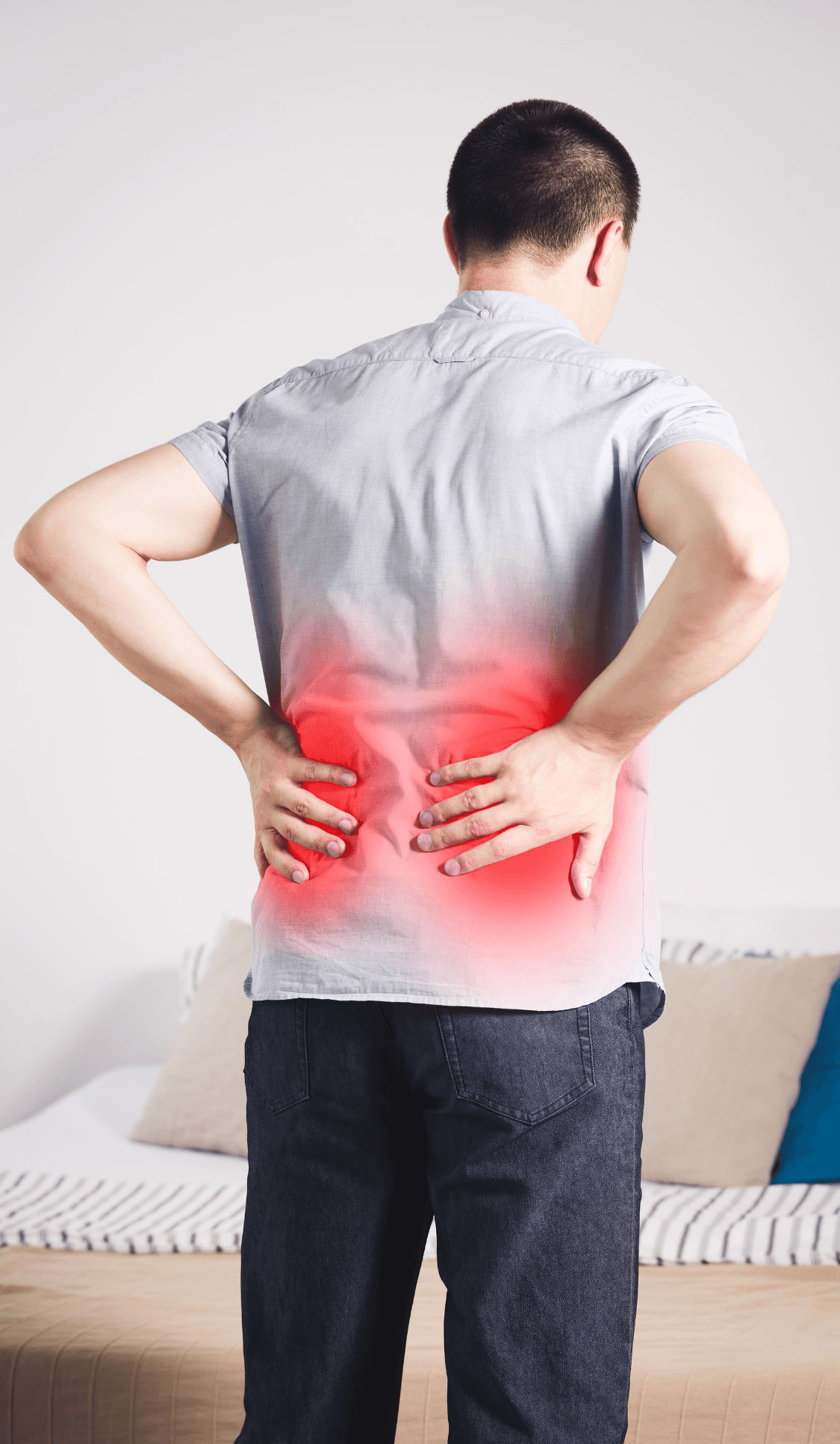
When Does Knee Pain Need Immediate Assessment?
Most knee pain can be assessed in a standard clinic appointment. However, certain symptoms require prompt attention to rule out more serious causes.
Sudden severe swelling after an injury, the knee locking or giving way, inability to bear any weight, a loud pop at the time of injury, or fever combined with hot swollen knee joints require prompt medical evaluation before physiotherapy begins.
For all other knee pain, including gradual onset, exercise-related, age-related, or pain that has developed from sitting or inactivity, a standard assessment at CMRA is the right starting point.
The 5 Most Common Signs Your Knee Pain Needs Professional Assessment
- Pain that has lasted more than 4 weeks without clear improvement, regardless of rest or painkillers
- Knee pain that is progressively worsening over weeks or months
- Swelling that appears regularly, even without a specific injury
- Pain that changes your gait or forces you to limp, even intermittently
- Knee pain that disrupts sleep or wakes you during the night
How Can You Protect Your Knees After Treatment?
The habits that prevent knee pain recurrence are also the ones that slow osteoarthritis progression and maintain cartilage health long-term. These are CMRA's most consistently recommended guidelines.
Movement and Strengthening
Walking 20 to 30 minutes daily is one of the most evidence-supported habits for knee health. It maintains cartilage nutrition, reduces stiffness, and strengthens the surrounding musculature without high impact load.
Weak hip abductors and gluteal muscles are the primary cause of abnormal knee loading patterns. Specific hip strengthening exercises prescribed after assessment are the single most effective prevention strategy.
For patients with osteoarthritis or meniscus conditions, sustained kneeling and deep squatting positions significantly increase compressive joint load. Modify tasks and use appropriate support where needed.
Both are excellent low-impact options that strengthen the quadriceps and hamstrings without the compressive forces of running or weight training. Suitable for most knee conditions after initial treatment.
Nutritional Support for Knee Joint Health
-
Vitamin D — Directly linked to cartilage health and immune regulation of joint inflammation. Deficiency is extremely common in Bangalore's indoor workforce. Get levels checked and supplemented if deficient.
-
Omega-3 fatty acids — Found in walnuts, flaxseed, and fatty fish. Consistently shown to reduce joint inflammation and slow cartilage breakdown in osteoarthritis.
-
Stay hydrated — Cartilage is approximately 70% water. Consistent mild dehydration, common among people drinking mostly tea and coffee, directly reduces cartilage resilience and shock absorption capacity.
-
Reduce processed foods and added sugar — Both promote systemic inflammation that accelerates joint degeneration and delays tissue recovery after injury.
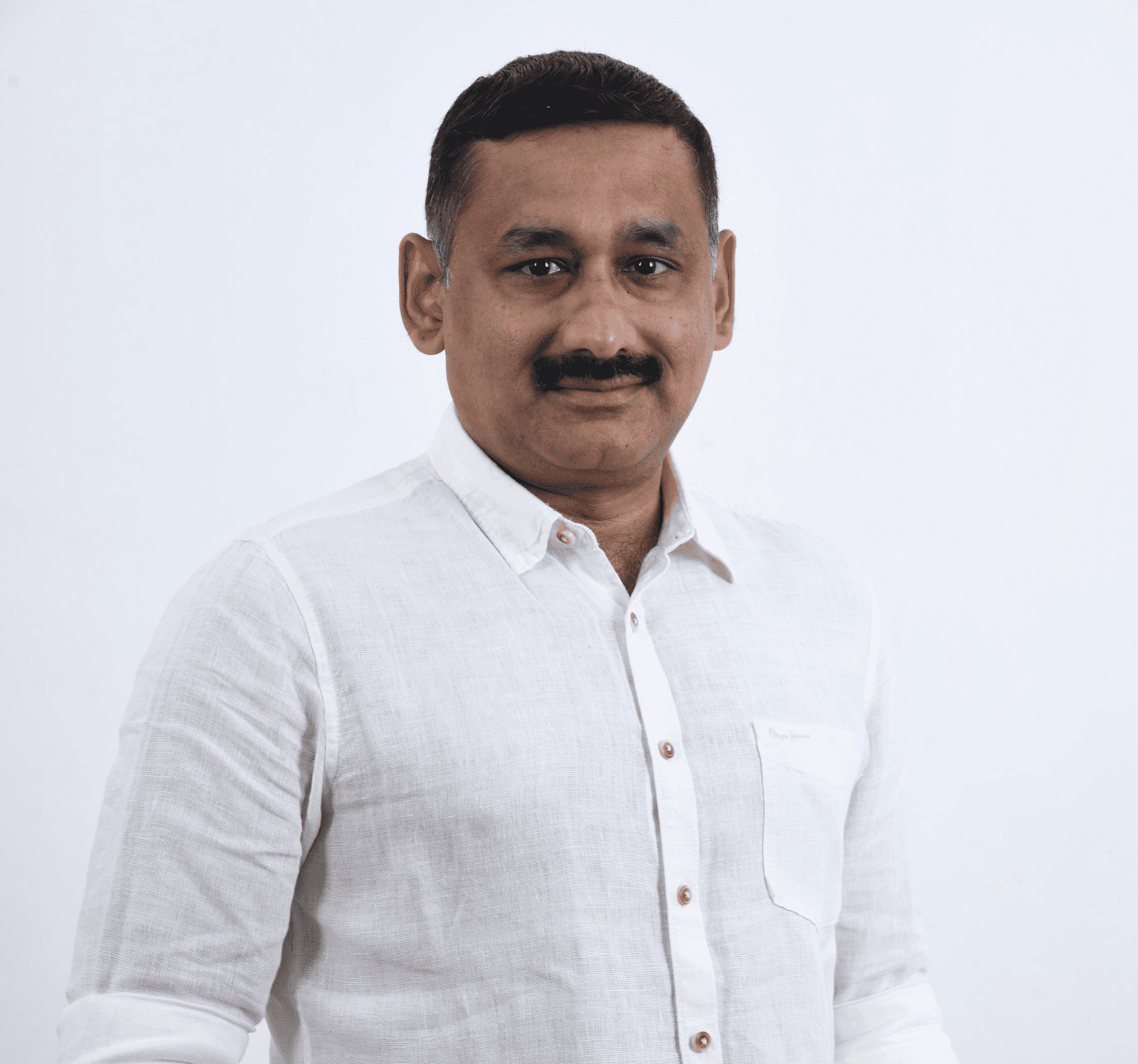
Mr. Jamline Scaria
Physiotherapist · NAET Practitioner · NLP Practitioner
With over 25 years of experience in non-drug pain care, Mr. Jamline Scaria has helped thousands of patients in Bangalore recover from knee pain, arthritis, sciatica, back pain, and complex chronic joint conditions without surgery, injections, or medication.
His Physio Fusion Therapy (PFT) approach combines trigger point therapy, myofascial release, joint mobilisation, NAET-based nutritional and cartilage support, and NLP-based stress correction into a single personalised plan. Trusted by patients from Whitefield, Brookefield, AECS Layout, and across Bangalore, including patients referred for knee replacement surgery who recovered without it.
Frequently Asked Questions About Knee Pain Treatment in Bangalore
Can knee pain be treated without surgery in Bangalore?
Yes. Most knee pain conditions, including mild to moderate osteoarthritis, ligament strains, meniscus irritation, bursitis, and patellofemoral pain, respond well to non-surgical root-cause treatment. CMRA in AECS Layout has helped thousands of Bangalore patients avoid surgery by treating the specific cause of their knee pain with a non-drug, non-invasive approach.
Is knee replacement surgery the only option for severe osteoarthritis?
Not necessarily. Many patients with moderate to severe knee osteoarthritis achieve lasting pain relief through structured physiotherapy, muscle strengthening, NAET-based cartilage support, and nutritional correction. CMRA has helped many patients who were referred for knee replacement recover functional, pain-free movement without surgery. The appropriateness of surgery depends on severity and individual factors, which a proper assessment will clarify.
What causes knee pain in young adults in Bangalore?
In people aged 20 to 45, knee pain is most commonly caused by patellofemoral pain syndrome (runner's knee), IT band syndrome, meniscus irritation from sport, overuse tendinitis from gym training, and trigger points in the quadriceps and hamstrings from long sitting hours. Nutritional deficiencies are also a contributing factor that is frequently overlooked in young adults.
Does nutritional deficiency really cause knee pain?
Yes. Vitamin D deficiency, which is very common in Bangalore, directly affects cartilage health, muscle function, and the body's regulation of joint inflammation. Magnesium and calcium deficiencies affect muscle and bone function. These are assessed and corrected as part of every CMRA knee pain plan through NAET-based nutritional correction.
How many physiotherapy sessions does knee pain need?
Most patients at CMRA notice clear improvement within 4 to 6 sessions. Total recovery time depends on the root cause, severity, and duration of the condition. A personalised recovery timeline is given after the first assessment. Conditions like acute tendinitis may resolve in fewer sessions; chronic osteoarthritis typically requires a longer programme.
Why does knee pain keep returning even after physiotherapy?
Recurring knee pain after standard physiotherapy usually means the full set of contributing factors was never corrected. Hip muscle weakness, lower limb alignment problems, nutritional deficiencies, and unaddressed trigger points all maintain abnormal joint loading even after the knee itself has been treated. CMRA's assessment specifically identifies and corrects all these factors.
Where can I get knee pain treatment near Whitefield, Bangalore?
CMRA is at 1342, 60 Feet Road, AECS Layout D Block, Mahadevapura Post, Bengaluru 560037, easily accessible from Whitefield and Brookefield. Book via WhatsApp at wa.link/66txco or call +91 80420 42385. First visit assessment is Rs 799. Clinic hours: Mon to Sat 8am to 2pm and 5pm to 9pm, Sunday 8am to 2pm.
Is it safe to exercise with knee pain?
Gentle movement is generally safe and beneficial for most knee conditions. Walking, swimming, and cycling are low-impact options suitable for most knee pain during and after treatment. High-impact activities like running, jumping, or heavy squatting should be avoided until the root cause has been assessed and appropriate treatment begun. Never start a new exercise programme for knee pain without a proper diagnosis.
Knee Pain Does Not Have to End Your Active Life
Whether you are 28 and struggling with runner's knee, 45 with osteoarthritis starting to limit your stairs, or 65 and facing a recommended knee replacement, there is almost always more that can be done non-surgically than you have been told.
Knee pain is a complex, multi-factor condition. The knee is a sophisticated joint influenced by forces from the hip, pelvis, lower back, ankle, nutrition, and systemic inflammation. Treating it in isolation, the way most standard approaches do, is why knee pain so often fails to resolve and keeps coming back.
At CMRA, we have spent 25 years building and refining an approach that finds and fixes all the relevant factors in each individual case. Our patients range from teenagers with sports injuries to seniors with advanced arthritis, and across all groups, the consistent finding is the same: the right non-surgical approach, applied precisely to the specific cause, gets results that standard treatment cannot match.
If you are in AECS Layout, Whitefield, Brookefield, or anywhere in Bangalore and your knees are limiting your life, book your assessment. Find out exactly what is causing your pain before deciding on a treatment path.
Start Your Recovery Journey Today
Book your Rs 799 first-visit assessment at CMRA. We will identify the root cause of your knee pain and create a clear, personalised, drug-free recovery plan. Serving AECS Layout, Whitefield, Brookefield, and all of Bangalore.
CMRA · 1342, 60 Feet Rd, AECS Layout D Block, Bengaluru 560037 · +91 80420 42385